
When people think of real estate, they often picture homes and apartments. But a large and highly profitable segment of the property market lies beyond residential assets—Commercial Real Estate (CRE).
Commercial real estate is primarily purchased to generate income and long-term returns, making it a preferred choice for investors, businesses, and institutional buyers.
In this blog, we’ll clearly explain what qualifies as commercial real estate, the different property types, and why investors are increasingly drawn to this asset class.
What Is Commercial Real Estate?
Commercial real estate refers to properties that are:
• Used exclusively for business or income-generating purposes
• Leased to companies, retailers, institutions, or operators
• Purchased mainly to earn rental income, capital appreciation, or both
Unlike residential property, commercial real estate is not meant for personal living.
Key Characteristics of Commercial Real Estate
Commercial properties typically share these features:
• Higher rental yields compared to residential assets
• Longer lease terms
• Professional tenants (corporates, brands, businesses)
• Rental income often linked to contracts
• Higher entry cost but stronger income stability
Types of Commercial Real Estate
1. Office Spaces

Office properties are among the most popular commercial investments.
Includes:
• IT/ITES offices
• Corporate office buildings
• Business parks
• Managed office spaces and coworking offices
Why investors prefer offices:
• Stable, long-term leases
• Reliable corporate tenants
• Higher rental yield than residential properties
Best suited for:
• Long-term income-focused investors
2. Retail Properties

Retail real estate includes properties used for selling goods and services.
Includes:
• High-street retail shops
• Shopping malls
• Standalone showrooms
• Branded retail outlets
Investor benefits:
• Strong rental yields
• Brand-backed tenants
• Potential for rental escalation
Key factor:
Location and footfall play a major role in retail success.
3. Warehouses & Industrial Properties

This segment has grown rapidly due to e-commerce and logistics expansion.
Includes:
• Warehouses
• Logistics parks
• Industrial sheds
• Manufacturing units
Why investors choose this segment:
• Long lease tenures
• Lower maintenance costs
• Large institutional tenants
Ideal for:
• Investors seeking predictable income
• Portfolio diversification
4. Mixed-Use Developments
Mixed-use properties combine commercial, retail, and sometimes residential components.
Examples:
• Office + retail complexes
• Business parks with food courts
• Integrated townships
Investment advantage:
• Multiple income streams
• Higher asset resilience
• Balanced risk profile
5. Hospitality Properties
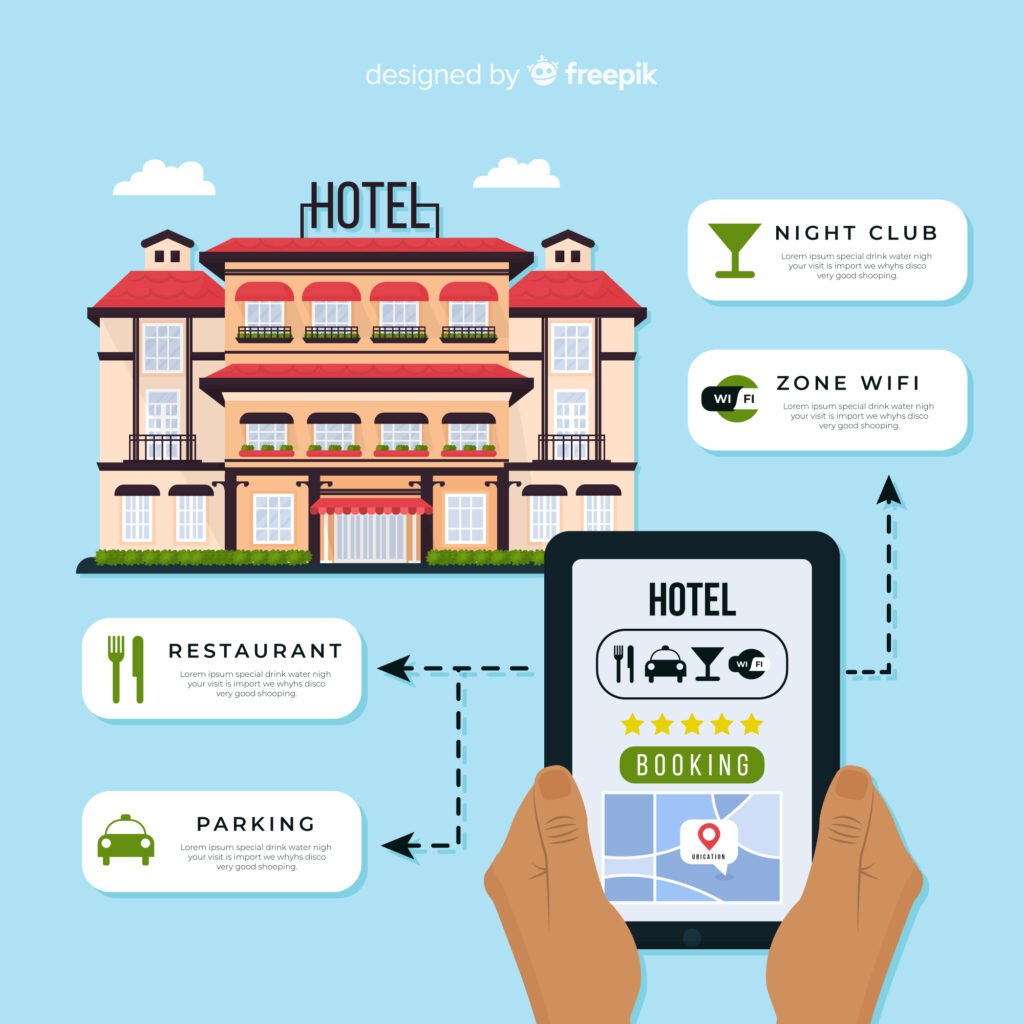
Properties used for short-term accommodation and tourism-related services.
Includes:
• Hotels
• Service apartments
• Resorts
• Business hotels
Returns depend on:
• Location
• Tourism and business travel demand
• Operator performance
Note:
This segment can offer high returns but comes with higher operational risk.
6. Healthcare & Institutional Properties

Specialized commercial properties leased to institutions.
Includes:
• Hospitals
• Clinics
• Diagnostic centers
• Educational institutions
Why investors consider them:
• Long-term leases
• Recession-resistant demand
• Stable income profile
What Does NOT Come Under Commercial Real Estate?
The following typically do not qualify:
• Self-occupied residential homes
• Personal-use apartments
• Agricultural land (unless converted and leased commercially)
• Vacant residential plots without commercial use
Commercial Real Estate vs Residential Real Estate
FactorCommercial Real EstateResidential Real EstatePurposeBusiness & incomePersonal livingRental YieldHigher (6–10%*)Lower (2–4%*)Lease DurationLong-termShort-termTenant TypeBusinessesIndividuals/familiesRiskModerate to highLow to moderateEntry CostHigherLower
*Indicative ranges may vary by market and location.
Key Factors to Evaluate Before Investing in Commercial Property
• Location and connectivity
• Tenant profile and lease agreement
• Rental yield and escalation clause
• Developer reputation
• Maintenance and operating costs
• Exit and resale liquidity
Why Commercial Real Estate Attracts Serious Investors
Commercial real estate is preferred by experienced investors because it offers:
• Higher income potential
• Professional tenancy
• Predictable cash flow
• Portfolio diversification
• Hedge against inflation
However, it requires deeper market knowledge and professional guidance.
Final Thoughts
Commercial real estate is not just about owning property—it’s about owning income-producing assets.
Understanding what comes under commercial real estate helps investors:
• Choose the right asset class
• Match investments with financial goals
• Build sustainable long-term returns
For investors seeking strong rental income and scalable growth, commercial real estate remains a powerful wealth-building tool.